What is the quick answer?
Stuck finding ideas for a documentary? Here are 10 actionable concepts for creators, from viral mechanics to AI workflows, designed to get views in 2026.
Key takeaways
- 1. The Rise of Faceless YouTube Automation From Zero to Millions
- 2. Viral Mechanics What Makes a 60-Second Video Break the Algorithm
- What makes this idea work on screen
- 3. The Clip Economy How Repurposing One Video into 50 Clips Became a Full-Time Job
- 4. From Idea to Export in 10 Minutes How AI Editing Transformed Creator Workflows
- The trade-off is the story
Overview
You do not need a bigger documentary budget to get more views. You need a better idea with a clearer path to audience, and the market for documentary-style storytelling is still expanding, with estimates putting the global documentary films and shows market at USD 5.67 billion in 2025 and projecting USD 9.54 billion by 2034 (Straits Research), while another forecast places it at USD 4.839 billion in 2025 and USD 9.591 billion by 2035 with a 7.08% CAGR (Market Research Future). The key opportunity is not just making a film, it's choosing ideas for a documentary that can survive production, keep a viewer's attention, and spin out into clips that travel.
The old formula, find a “good topic” and hope for the best, is too vague for how people watch now. Documentary ideas work best when they have a character, conflict, and visual arc, because those are the ingredients that turn a topic into something people will finish. That's also why modern creators keep chasing concepts with legs, access, and a central obstacle, especially on platforms where the audience decides in seconds whether to keep watching. If you're thinking about pacing, hook clarity, and retention-friendly structure, optimizing audio in video matters more than many realize.
1. The Rise of Faceless YouTube Automation From Zero to Millions
Faceless channels are one of the cleanest documentary ideas for the current creator economy because they sit right at the intersection of business, technology, and ethics. They're also visually practical. You can show screen recordings, stock footage, voiceover sessions, editing timelines, and the decision-making behind channel packaging without needing a subject who wants to be on camera.
The strongest version of this story is not “people make videos without showing their face.” That's too shallow. The better angle is how creators build a repeatable system using AI, stock assets, voiceovers, and editing workflow choices, then turn that system into a content engine that can be studied, copied, and critiqued.
A good structure is to follow three lanes at once. First, the workflow, what gets outsourced, what gets automated, and what still needs a human eye. Second, the audience fit, because faceless formats succeed when they serve an itch that's already there. Third, the trade-off, since viewers are also debating authenticity, originality, and the line between efficient production and content fatigue.
Practical rule: If the documentary can't show the workflow on screen, it probably isn't the right faceless-channel story yet.
A useful production approach is to anchor one sequence around a creator's stack, then cut to the editorial choices that make the channel feel human. If you want the operational angle, the tool path belongs in the narrative too, including Satura's YouTube automation tools guide. The result is a documentary that doesn't just admire the trend, it explains how the trend gets built.
2. Viral Mechanics What Makes a 60-Second Video Break the Algorithm
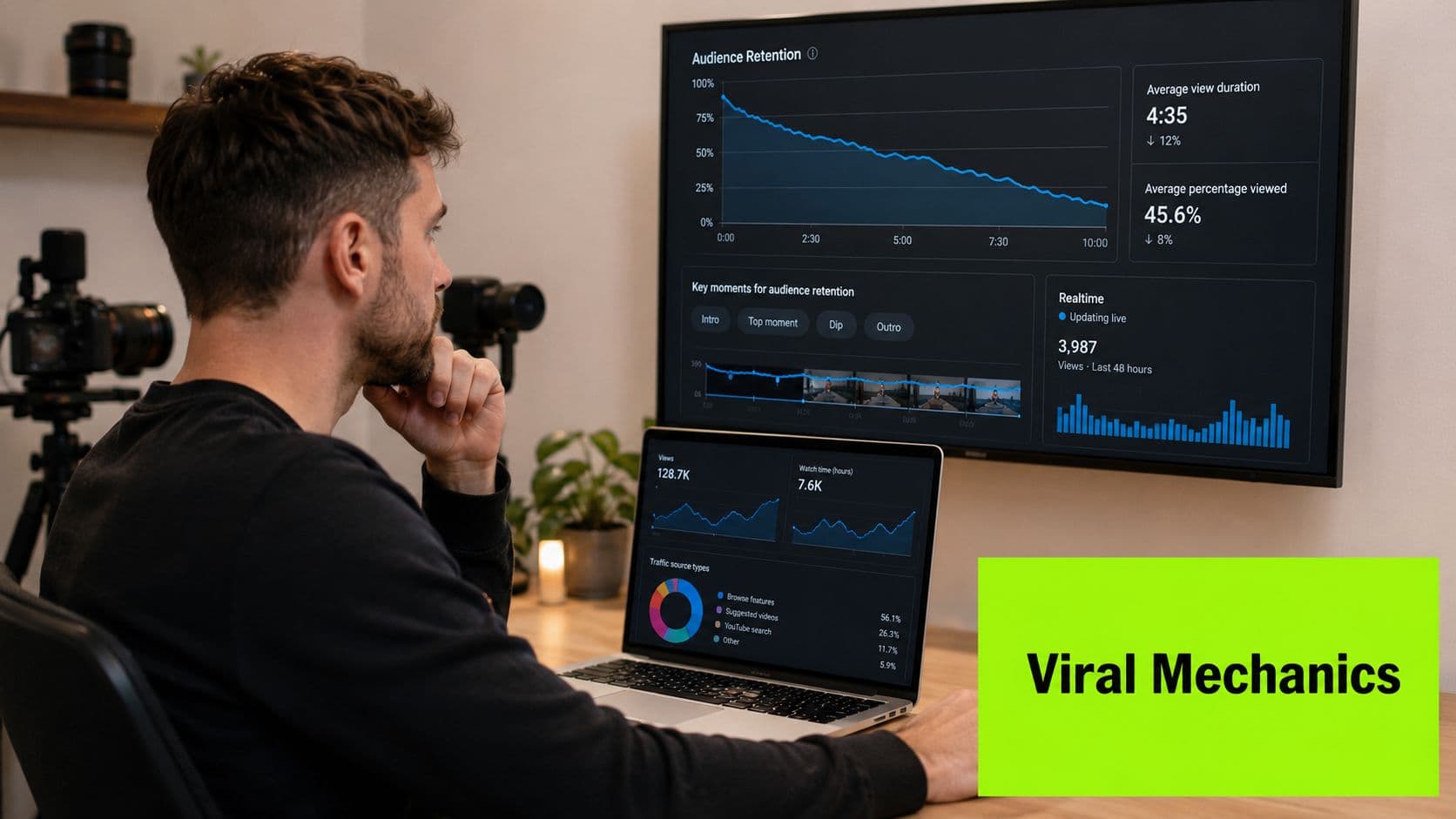
Short-form virality is catnip for documentaries because it gives you tension, speed, and measurable decision points. A film on this topic can move fast without feeling shallow, since every clip already contains a miniature story about attention, friction, and payoff. The best angle is not “how the algorithm works,” because no creator really has a full answer. The better angle is what consistently makes people stop, stay, and share.
This story becomes much stronger when you break it into observable pieces, like hook strength, retention, swipe behavior, and the emotional trigger behind the pause. You can interview creators who test dozens of openings, then contrast their instincts with pattern-based analysis. If you want a companion explanation on the distribution side, how videos go viral is a useful adjacent read.
What makes this idea work on screen
This concept works because you can cut between live editing choices and the audience response those choices are trying to trigger. Show the first three seconds. Show the moment a creator decides to cut earlier, switch a word, or change the pacing. Then show the reasoning behind that edit instead of burying it in a voiceover blob.
The most watchable version includes platform contrast, because TikTok, YouTube Shorts, and Instagram Reels each push creators toward slightly different habits. That gives the film built-in movement. It also gives the audience a reason to keep watching, because they're not just learning “viral” as a buzzword, they're seeing how different formats reward different instincts.
The internal takeaway is simple. Don't make this a lecture about platforms. Make it a pressure test of what holds attention, then show how Satura's guide to making viral YouTube Shorts fits into that workflow when creators want to move from theory to output.
3. The Clip Economy How Repurposing One Video into 50 Clips Became a Full-Time Job
Repurposing is one of the smartest ideas for a documentary because it's both creative and commercial, and that combination keeps the film from feeling like a niche productivity explainer. The people worth following here are podcasters, streamers, and long-form creators who've turned one recording session into a stream of clips, highlights, and platform-specific cutdowns. That's a real business story, not just an editing trick.
The best narrative angle is efficiency with consequences. A single piece of content can feed multiple platforms, but clip selection also shapes how the original brand is perceived. That tension makes the story interesting, because the audience can see the upside and the risk at the same time.
Not every strong moment belongs in a clip. The best clippers protect the long-form story while extracting the moments that travel.
A good documentary flow is to start with raw footage, then show the trimming process, then end with distribution. That lets you compare manual clipping against AI-assisted workflows without turning the film into a software demo. You can also bring in creators who think clipping boosted their original content, then ask what changed in how they package future episodes.
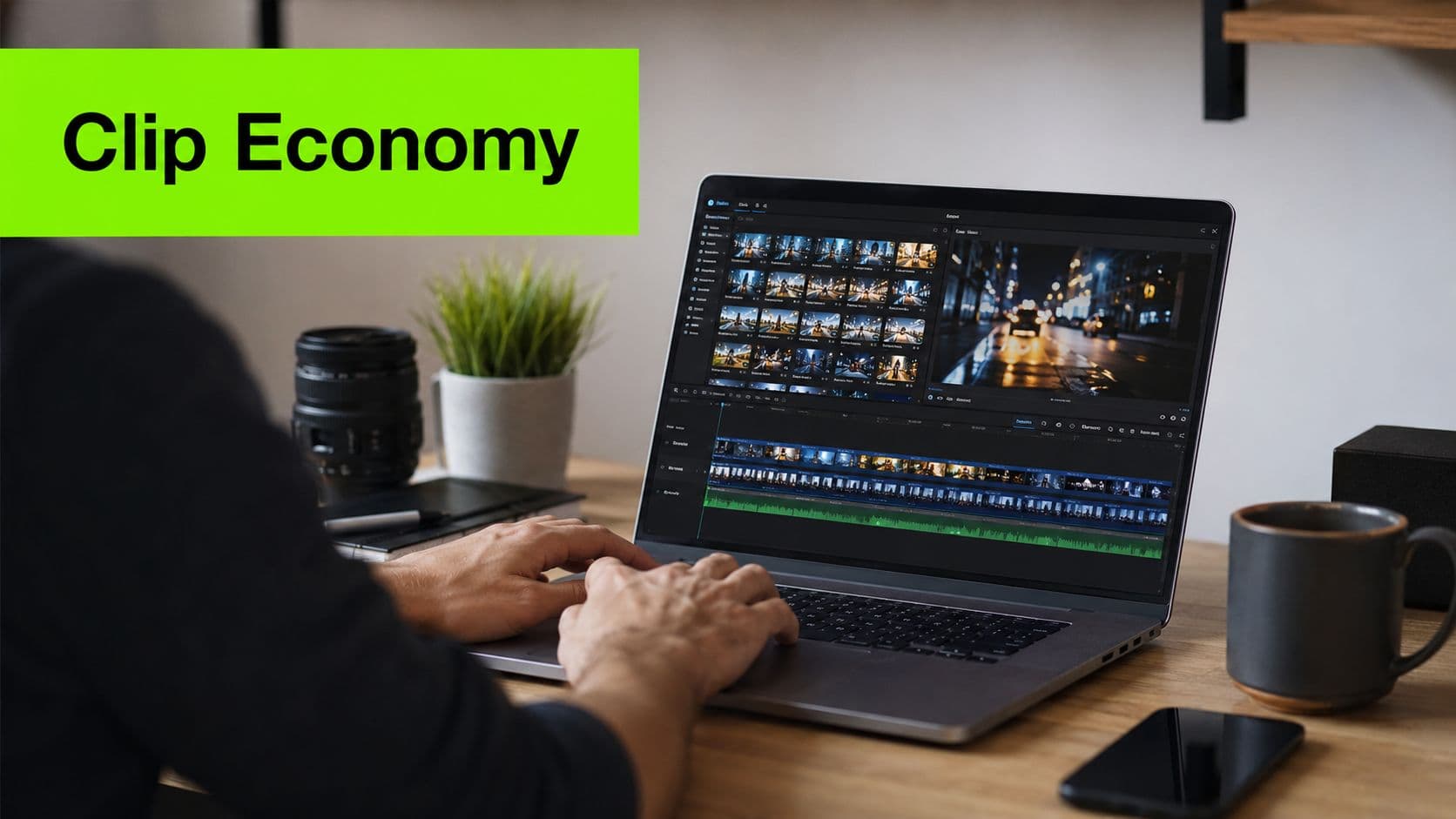
If you want a practical production shortcut, Satura AutoClip belongs in the tool stack discussion because it matches the documentary's central promise, turning one session into many assets. That's the point of this idea, it proves that repurposing isn't a cleanup task at the end of production, it's part of the growth plan from the start.
4. From Idea to Export in 10 Minutes How AI Editing Transformed Creator Workflows
This is the cleanest “before and after” documentary on the list. The old timeline is familiar, footage goes in, hours disappear, and the creator is still scrubbing through clips late at night. The newer workflow is faster, more browser-native, and far less punishing for solo creators who need to publish regularly without burning out.
The film works best when it shows the editing process as a transformation of labor. Not “AI is magic.” That's useless. Show how browser-based tools, quick subtitles, motion controls, transcription, and AI voice or enhancement features compress the time between idea and export. Then show what quality trade-offs come with that speed.
The trade-off is the story
The documentary becomes honest. AI editing doesn't erase the need for judgment. It changes where judgment happens. The creator still decides what matters, what lands, and what deserves to stay, but the machine handles more of the repetitive friction.
That makes the film useful for a wide audience, especially solo creators who need speed to compete with bigger teams. It also gives you a natural place to compare old-school editing software with the newer browser workflow on Satura's video editing software for YouTube Shorts and the broader Satura AI platform. The documentary becomes a case for a different creative rhythm, one where more output does not automatically mean lower standards.
5. The Analytics That Actually Matter Decoding Creator Growth Signals
Most creators don't need more numbers. They need fewer numbers that mean something. That's why this documentary idea works so well, it takes a confusing dashboard and turns it into a story about decisions. The premise is simple, what signals predict performance, and which ones just make creators anxious?
The strongest version follows creators who changed their strategy after finally understanding one metric. Maybe they stopped obsessing over vanity numbers and started paying attention to the signals that tell them whether a video deserves another push. Maybe they learned that a strong opening matters more than polishing the wrong part of the content. The point is to show how interpretation changes behavior.
The film also gets a nice visual edge from dashboards, heat maps, and timeline comparisons. Those are not flashy by themselves, but they become compelling when paired with creator reactions. That's where the documentary earns trust, because it shows the actual problem, raw data without context is just noise.
A smart structure is to alternate between explanation and application:
The key is restraint. Don't make the film sound like a dashboard tutorial. Make it about how creators stop guessing and start reading their content like operators.
- Show the metric: Put the dashboard on screen before anyone starts theorizing.
- Show the decision: Explain what the creator changed after reading it.
- Show the result: Don't promise miracles, just show the next round of uploads.
- Show the tool layer: Use Satura's video analytics platform as the practical example of how creators can translate signals into action.
6. The Thumbnail That Broke the Internet Psychology of Click-Through Rates
Thumbnail strategy is one of the most underrated documentary topics because it looks small and behaves huge. People think it's a packaging detail, but the audience experiences it as a first impression, a promise, and sometimes a dare. That gives you an immediate dramatic hook, especially if you can show multiple versions of the same video side by side.
This idea becomes especially strong when you explore the psychology behind color, contrast, expression, and composition. Thumbnails are a perfect test bed for how viewers make snap judgments, and creators are constantly trying to balance curiosity with trust. That tension gives the documentary a real point of view, because a thumbnail can win the click and still hurt long-term credibility if it overpromises.

Why this topic has legs
A thumbnail film can be visually addictive because the audience can instantly compare what changed. A tighter crop. Brighter contrast. Less clutter. A different facial expression. Each adjustment is tiny, but together they reveal how much packaging shapes performance.
This is also one of the easiest documentary ideas to turn into a clip series, because every thumbnail test becomes a mini lesson. You can show A/B test thinking, creator experimentation, and how AI-generated versions are now entering the mix without pretending there's one universal formula. If you want a smart companion read, 10 how-to video ideas sits well alongside this topic.
The useful takeaway is not that one thumbnail style “wins.” It's that creators who treat thumbnails as design strategy, not decoration, usually have a better shot at attention.
7. The Monetization Playbook When Do YouTube Channels Actually Start Making Money
Money questions pull viewers in fast because every creator wants an accurate answer, not the aspirational one. This documentary idea works because it covers a transition people care about significantly, from early uploads to actual income, without pretending there's a single clean path. The most compelling version follows creators at different stages and shows how monetization changes as the channel matures.
The film should treat AdSense, sponsorships, affiliate marketing, course sales, and brand deals as different tools for different situations, not as one giant “make money online” bucket. That distinction matters. A small channel may need one income path to stabilize, while a larger channel can diversify and negotiate from a stronger position.
What viewers actually want to know
They want to know when the first dollar comes in, what stalled growth looks like, and which levers move the business forward. They also want to know what not to chase too early, because the wrong monetization move can distract from building the audience that makes the business viable in the first place.
That's why this idea works best when it feels candid. Put creators on camera talking through the slow parts, the awkward parts, and the moments where a new revenue stream finally clicked. Keep the business structure discussion practical, not jargon-heavy. Make it feel like a field guide, not a finance seminar.
The strongest versions leave viewers with a realistic picture, not false hope. That honesty is the hook.
What are the common questions?
What is the short answer for 10 Ideas for a Documentary That Will Actually Get Views?
Stuck finding ideas for a documentary? Here are 10 actionable concepts for creators, from viral mechanics to AI workflows, designed to get views in 2026.
What should creators do first?
Your Next Documentary Starts Now
Who is this guide for?
This guide is for YouTube creators, faceless channel operators, agencies, and teams using AI tools to improve video production and growth.
Action checklist
Apply this to your channel today.
- 1Your Next Documentary Starts Now
- 2Show the metric: Put the dashboard on screen before anyone starts theorizing.
- 3Show the decision: Explain what the creator changed after reading it.
- 4Show the result: Don't promise miracles, just show the next round of uploads.
- 5Show the tool layer: Use Satura's video analytics platform as the practical example of how creators can translate signals into action.