What is the quick answer?
Explore 10 best opening line hooks for YouTube Shorts, TikTok, and long-form video, with templates, examples, tuning tips, and testing ideas.
Key takeaways
- 1. The Hook Question
- 2. The Bold Contrarian Statement
- 3. The Storytelling Hook
- 4. The Shocking Statistic or Absurd Number
- 5. The “What Everyone Gets Wrong” Frame
- 6. The Attention-Grabbing Visual or Motion Shock
Overview
The most popular advice about the best opening line is also the weakest. “Be loud,” “be dramatic,” “say something shocking” sounds useful until you watch a video lose attention because the opener had no clear reason to keep going. The better question is simpler: what does the first sentence make the viewer feel, believe, or do next?
That's why strong hooks aren't just about words, they're about viewer behavior. A good opener can trigger curiosity, disrupt belief, spark emotion, interrupt a pattern, or deliver value fast enough that the viewer stays for the next line. The same idea shows up across cold calls, presentations, and hooks for video, where specific openings beat generic ones. For example, Gong Labs found that “How have you been?” hit a 10.01% success rate versus a 1.5% baseline, which is 6.6x higher in their analysis of 90,380 cold calls because it feels familiar and low-friction, not cold and robotic. Gong Labs on cold call opening lines
For creators, that lesson translates cleanly. A spoken hook and a visual hook don't have to say the same thing, but they do have to pull in the same direction. In a short-form clip, the first frame may do most of the work. In a long-form YouTube video, the opener needs to survive the first few seconds of skepticism. The 10 hook types below give you a practical way to match the line to the audience's intent, then tune it for Shorts, TikTok, or longer video. If you're also shaping your intro format, this guide on how to make introduction video on YouTube pairs well with the same thinking.
1. The Hook Question
Questions work because they force the brain to answer before it scrolls away. A good opener question doesn't just ask anything, it asks the exact thing your viewer was already half-thinking. That's why lines like “Why do some Shorts go viral while others get 12 views?” land better than “Do you want to grow?” The second one is broad. The first one has friction, stakes, and a built-in answer path.
For Shorts and TikTok, keep the question short, sharp, and visually supported. The first frame should reinforce the same problem, not distract from it. For long-form video, the question can be slightly more specific because the viewer has more time to settle in. The rule is simple, the answer has to arrive quickly enough that the question feels honest, not manipulative.
Practical rule: ask one question, then answer it fast. If the viewer can't see the point within the first few seconds, the hook is too soft.
Use a structure like, “What's stopping your channel from hitting your next milestone?” or “Why does this format keep getting ignored?” Then move straight into proof, demo, or explanation. Satura's hook-building guidance makes this easier to pressure-test because it pushes you to think in terms of angle, not just wording. A question hook works best when the first frame shows the pain point, the caption sharpens the question, and the spoken line gets to the point before the viewer has time to swipe.
2. The Bold Contrarian Statement
A contrarian opener works because it makes people pause and decide whether they agree. Say, “Most YouTube tutorials are teaching you the wrong way,” and you create instant tension. The viewer has three choices, nod along, push back, or stay to see if you can prove it. Educational and strategy content benefits from this approach because the opener gives the audience a claim to test right away.
The trade-off is plain. If the claim is sharp but thin, viewers feel baited and leave. The opening line has to create friction, then the next sentence or visual has to earn that friction with proof. A good contrarian hook opens the door to a point of view, it does not try to win by sounding loud.
For Shorts and TikTok, the statement should land in one breath and match a visual that supports it. Keep the first frame simple. Put the tension on screen fast, then move into the reason behind it before attention drops. For long-form content, the idea can breathe a little more, but it still needs pace. A line like “The algorithm isn't broken, you're feeding it the wrong signals” works because it challenges a familiar excuse while pointing toward a fix.
Satura's anti-hooks strategy guide is useful here because it treats the opener as a controlled challenge, not random negativity.
If the contrarian line doesn't lead to proof fast, it stops feeling bold and starts feeling lazy.
The strongest version feels fair. You are not trying to insult the audience. You are trying to break autopilot and earn attention from viewers who think they already know the answer.
3. The Storytelling Hook
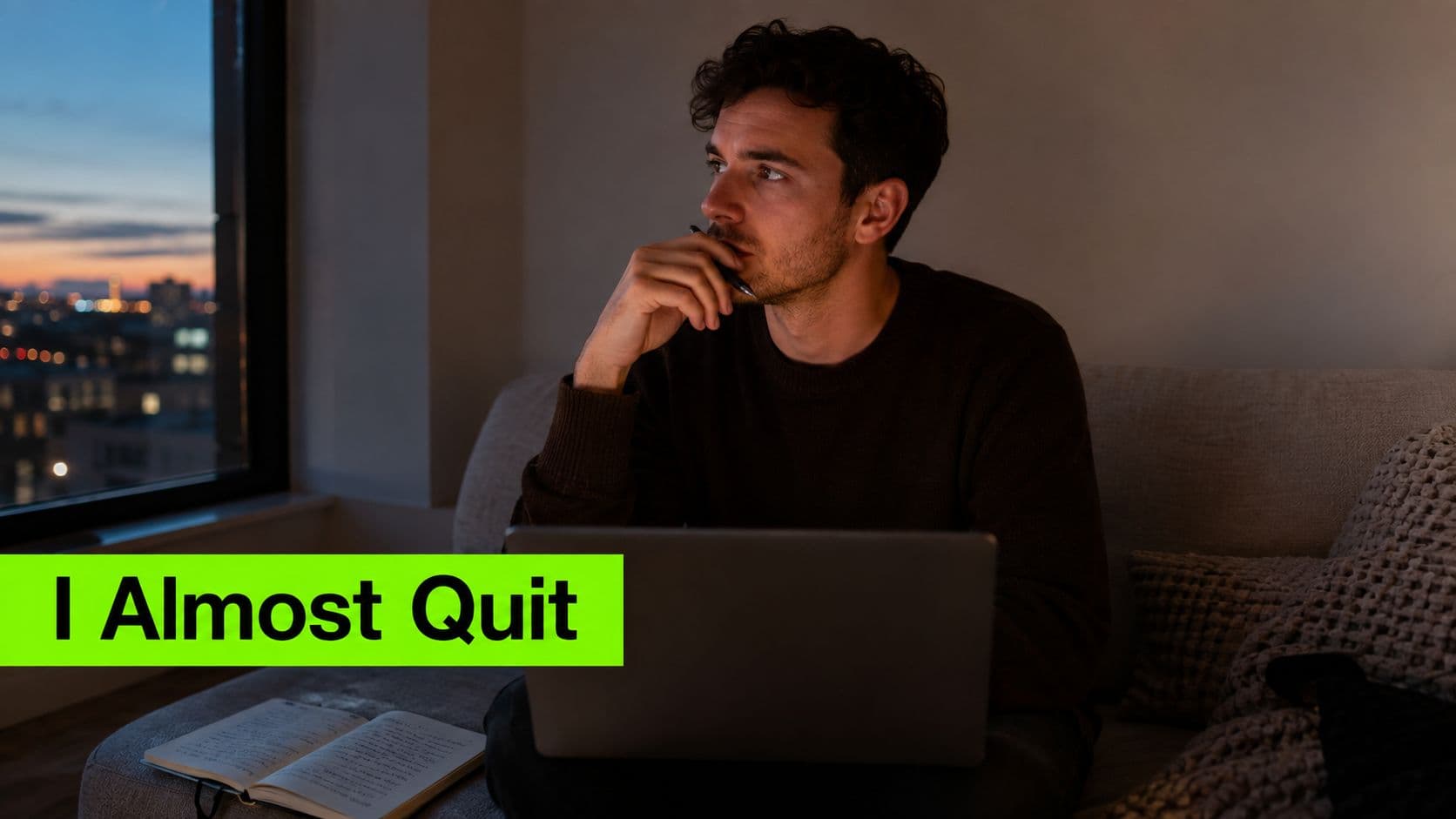
A story hook works because viewers want to know what changed. Drop them into a moment, a problem, or a shift in state, then let the next line answer the question they just formed. The hook doesn't need length; it needs to feel lived-in. “Last week I was staring at a dead upload and wondering if the channel was worth the effort” works because it gives a scene, a feeling, and a reason to keep watching.
That's the trade-off with story hooks. They create momentum fast, but only if the moment feels specific enough to trust. Curiosity hooks trigger curiosity, belief-disruption hooks trigger pushback, and story hooks trigger identification. You are asking the viewer to recognize a situation before you explain it.
The strongest story opener usually starts with a concrete behavior shift. Use a first-frame setup that matches the emotion, then keep pacing tight so the scene does not drag. For Shorts, that means getting to the turn almost immediately. For TikTok, keep the line blunt and let the visual do part of the work. For long-form video, you can spend a little more time on setup, but the scene still has to close the loop quickly enough to earn the next beat. Fill-in-the-blank templates help here, such as, “I was [doing ordinary task] when [problem/change] happened,” or “I thought [expectation], then [reversal] showed up.”
Visuals do half the work before the words do. A laptop on a couch, a dim room, a frustrated face, or a messy timeline tells the audience they are entering a real moment, not a polished script. Satura's AutoClip workflow is useful here because it helps pull real moments from longer recordings instead of forcing fake storytelling. The workflow fits short-form editing better when you want a clean first frame, a quick turn, and a clip that feels captured rather than manufactured.
For testing, treat each story hook as a behavior trigger, not a magic phrase. Run one version that opens with curiosity, one that opens with a belief shift, and one that opens with an emotional beat. Then compare which one keeps the viewer through the first turn. If the clip is for Shorts or TikTok, test whether the first frame makes the scene obvious without extra context. If it is for long-form, check whether the opening earns enough momentum to carry into the next section without feeling padded.
4. The Shocking Statistic or Absurd Number
Numbers stop the eye. A surprising stat creates a tiny mental pause, and that pause is where your hook lives. It also signals credibility fast, which matters a lot in growth, money, and self-improvement content. A line like “Most creators quit before they hit their first milestone” works because it feels concrete, even before the explanation arrives.
The catch is that a stat only works if it's real and visible. If you say it, show it. If you show it, make sure the next line explains why it matters. The number is not the whole hook, it's the trigger. Without the follow-through, it feels like decoration.
For Shorts and TikTok, put the number on screen in the first frame and use motion or text styling to make it impossible to miss. For long-form content, you can pair the stat with a quick setup, then unpack the meaning. The opening should not feel like a lecture, it should feel like the start of a useful reveal. Presentation guidance often pushes the same idea, starting with a surprising statistic, a question, or a concrete scenario instead of a generic opener, because specificity makes the audience lean in. Presentation opening lines guidance
Use the number as a door, not the destination. The stat gets attention, the explanation keeps it.
Satura's analytics and creative tools are built for this style because they help creators test which numbers feel believable in a niche. That matters more than picking the biggest possible figure. Big isn't automatically better. Relevant is better.
5. The “What Everyone Gets Wrong” Frame
This opener hooks viewers by promising they'll learn what others miss. It works because people hate realizing they've spent time on a wrong assumption, especially in creator education, tutorials, and strategy content. A line like, “Everyone thinks more editing fixes weak videos. The real issue is the first five seconds,” gets attention fast because it points to the hidden mistake and the better fix. The viewer is listening for the correction, and that makes the opening harder to ignore.
Use this frame when the audience already has a common belief you can challenge cleanly. Say the misconception in plain language, then move into the correction right away. If you spend too long correcting them, the tone turns preachy. Quick, clean diagnosis of the mistake builds trust.
For creator content, a strong example is, “Most creators chase more views. They ignore why viewers leave in the first place.” That line works because it names a familiar problem and points toward a more useful mental model. For Shorts and TikTok, make the correction immediate and visual. Put the mistaken belief in the first frame, then cut straight to the fix. For long-form, you can add one short example, but the opener still needs to feel safe and direct, not like a rant.
The best version sounds like informed guidance. Wrong version, right version. Weak approach, stronger approach. If the format supports it, use before-and-after visuals so the correction lands faster. Satura's Creative Library approach helps here because it makes it easier to spot the misconceptions already circulating in your niche, then build a cleaner correction around them.
6. The Attention-Grabbing Visual or Motion Shock
Sometimes the strongest opening line is not the sentence, it is the frame. A sudden cut, an unexpected overlay, or a fast visual change can interrupt pattern before the viewer fully processes audio. That matters most in short-form video, where people decide in a split second whether to keep watching.
This hook works by triggering viewer behavior first. A clean contrast frame can spark curiosity. A visual that breaks expectations can disrupt belief. A sharp face reaction or object reveal can pull emotion. A brief motion shift can interrupt the scroll. A clear on-screen setup can deliver value before the spoken line even begins.
The first frame has to do real work. Bright text on a clean background, a rapid zoom, a before-and-after switch, or a visual that looks slightly off can stop the thumb. The spoken line should explain the visual instead of competing with it, which keeps the opening tight and coherent. If the edit and the line fight each other, the interruption loses power.
For Shorts and TikTok, keep the motion hook under 2 seconds and move into substance immediately. For long-form, the visual shock can be softer, but it still needs to set a tone. If the opening is energetic, the edit should feel controlled, not chaotic. The goal is attention without visual noise.
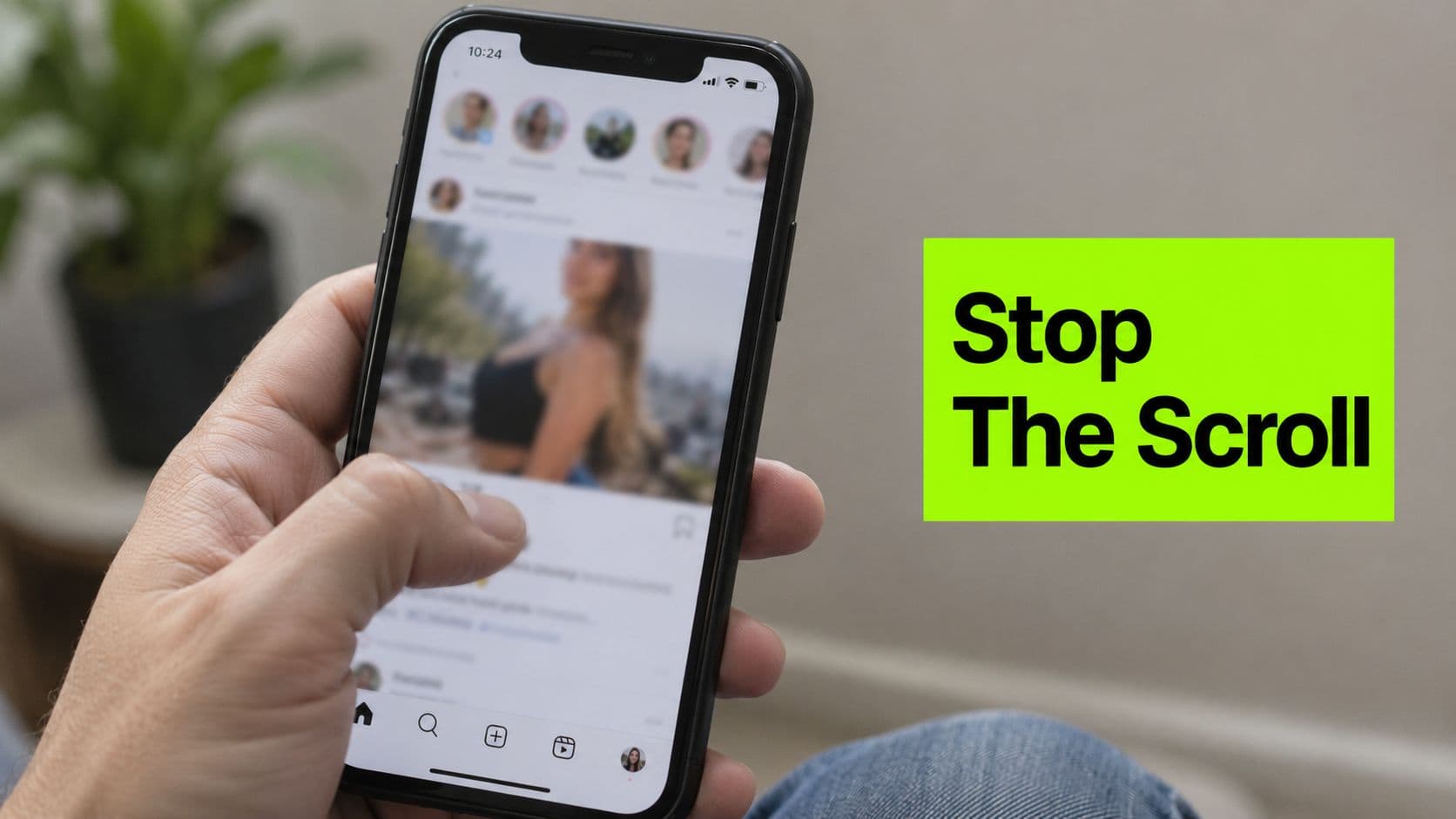
One useful test is simple. If the first frame still makes sense with the audio off, the visual hook is probably doing its job. If it only works because of narration, the opening is too dependent on the voice.
Use a fill-in-the-blank frame when you need speed. “Stop scrolling if you have [problem].” “Look at this before you [common action].” “This is what [result] looks like.” These templates give you a starting point, but the test is whether the frame matches the viewer behavior you want to trigger.
Satura's short-form editing guidance helps here because the first few seconds usually matter more than polishing the rest of the edit. For testing different visual approaches, the elements of a high click-through thumbnail are a useful reference too, because clarity beats clutter when the goal is to make the first click or swipe stop.
7. The Pattern Interrupt
Audio can interrupt attention even faster than visuals. A bass drop, a moment of silence, a meme sound, or an unexpected voice cue creates a snap-to-focus effect. The brain notices the break in pattern before it has time to analyze the words, which makes this a strong opener for short-form content and highly edited videos.
The key is restraint. If the sound is too long, it becomes atmosphere instead of interruption. If it's too loud, it can feel gimmicky. One to three seconds is usually enough to reset the viewer's attention and set up the spoken hook. After that, the content has to earn the next beat with clarity.
For Shorts and TikTok, the sound cue can be the hook. For long-form, it usually works best as a quick reset before the opener lands. A clean silence followed by a sharp line can be more effective than stacking effects. The point is not to overwhelm the viewer, it's to make the opening feel deliberate.
Audio hooks work when the edit supports the message, not when it fights it.
Satura's AI voice and speech tools help here because smooth audio transitions matter. If the voiceover feels clunky after the hook, the interruption loses power. The best pattern interrupts are short, intentional, and easy to connect to the visual story.
8. The Benefit-First Promise
This opener gets straight to the point. It tells the viewer what they're going to gain, learn, or solve before asking them to trust the rest of the video. That's useful because viewers are asking one private question the whole time, “Is this worth my time?” A benefit-first line answers that immediately.
The best versions are specific. “In the next 5 minutes, you'll learn the editing move that made my clips hold attention longer” is stronger than “This video will help you grow.” The first one creates a clear promise. The second one sounds like a slogan. If the benefit is vague, the hook is weak.
This style is especially good for busy viewers, educational content, and practical tutorials. For Shorts and TikTok, the benefit should be concise enough to fit naturally in the first breath. For long-form, you can set up the promise more clearly, but don't oversell the length or the result. The promised payoff needs to match the actual video.
Satura's video scripts template is a good fit here because it helps creators structure the promise before the explanation starts. That matters more than flashy wording. If the viewer understands the win quickly, they're more likely to stay for the process.
A benefit-first opener works best when the rest of the video delivers. Otherwise, you get the click, not the trust.
9. The Collaborative or Inclusive Frame
A “we” opener lowers distance. Instead of lecturing, you're inviting the viewer into a shared task. That can be as simple as “We're going to crack this together” or “If you've ever felt stuck here, you're not alone.” The effect is subtle but powerful, because it turns the video into a joint experience instead of a one-way broadcast.
This is especially useful for building community around creator education, commentary, and behind-the-scenes content. Viewers like feeling included. They also stay longer when the creator sounds like someone working alongside them, not above them. The trade-off is authenticity. If your channel never speaks this way elsewhere, the opener can feel forced.
For Shorts and TikTok, keep the inclusive line tight and warm. For long-form, you can use it to frame the whole video as a shared problem-solving session. That works well when the content has a clear arc, a challenge, a process, and a result. The opener sets the tone, then the video proves you're in it together.
Use real community language, not fake camaraderie. “Let's figure out why this format works” feels grounded. “We're all one family here” feels staged. Satura's community insights inside Growth Coach can help you hear the actual language your audience uses, which makes the inclusive frame sound natural instead of polished to death.
10. The Curiosity-Gap Setup
Curiosity-gap hooks work because they open a loop in the viewer's mind. You hint at something surprising, then withhold the payoff just long enough to create tension. The line, “I found something in the analytics that changes everything. Watch,” works because it promises resolution without giving it away too soon.
This is one of the most effective structures for retention, but it's also the easiest to misuse. If you drag the payoff too long, the viewer feels manipulated. The reveal has to arrive early enough that the hook feels fair. In longer videos, you can layer multiple loops, but each one still needs a clean payoff.
For Shorts and TikTok, the loop should resolve fast. For long-form, the first reveal should land fairly early, then the video can open a second loop if the structure supports it. That pacing keeps the audience oriented. Satura's hook generator is useful for this because it pushes creators to build around the reveal, not just the tease.
A curiosity-gap line works best when the first frame shows the emotional weight of the discovery. A screen, a chart, a reaction, or a paused moment can all help. The line creates the loop. The frame makes the loop feel real.
Top 10 Opening Line Comparison
| Hook | 🔄 Implementation Complexity | ⚡ Resource & Speed | ⭐ Expected Effectiveness | 📊 Results / Impact | Ideal Use Cases | 💡 Quick Tip |
|---|---|---|---|---|---|---|
| The Hook Question | Medium, needs audience insight | ⚡ Low resources, fast to deploy | ⭐⭐⭐⭐⭐, top early-retention lift | 📊 Strong first-3s retention; higher watch-through | Long-form YouTube, Shorts, retention-focused content | 💡 Test question angles with Clip Finder & TrustScore |
| The Bold Contrarian Statement | Medium‑High, requires evidence & voice | ⚡ Moderate resources; quick headline, needs backup | ⭐⭐⭐⭐, high CTR & engagement if credible | 📊 Boosts clicks, comments; polarizes audience | Educational, strategy, opinion, growth channels | 💡 Back the claim within 30s; use Creative Library |
| The Storytelling Hook (Personal or Scenario) | High, craft + authenticity required | ⚡ Moderate resources; slower setup (~10–15s) | ⭐⭐⭐⭐⭐, excellent long-term retention & loyalty | 📊 Strong repeat viewers, emotional connection | Personal brands, transformation, long-form, faceless VO | 💡 Keep setup <15s; use AutoClip to extract moments |
| The Shocking Statistic or Absurd Number | Medium, research & sourcing required | ⚡ Moderate resources; visualizing stat helps | ⭐⭐⭐⭐, builds credibility & shareability | 📊 Highly quotable; lifts authority and CTR | Growth, finance, data-driven, self-improvement | 💡 Cite sources and visualize the stat on screen |
| The "What Everyone Gets Wrong" Frame | Medium, needs a specific corrective angle | ⚡ Low–moderate resources; quick to produce | ⭐⭐⭐⭐, feels highly relevant and personal | 📊 High viewer investment; easy to structure tutorials | Educational channels, tutorials, expert positioning | 💡 Deliver correction within 10s and back with examples |
| Attention‑Grabbing Visual / Motion Shock | High, strong editing/design skill required | ⚡ High resources but immediate impact (short-form) | ⭐⭐⭐⭐⭐, top performance on short feeds | 📊 Best for stopping scrolls; universal, language-free | Shorts, Reels, TikTok, faceless/trend content | 💡 Keep motion <2s; use Motion Control & quick tests |
| Pattern Interrupt (Sound or Music Cue) | Medium, audio choice & testing needed | ⚡ Low–moderate resources; fast attention grab | ⭐⭐⭐⭐, powerful on mobile/audio-first viewers | 📊 Triggers involuntary attention; can become signature | Shorts, TikTok, podcast clips, music-forward channels | 💡 Test sounds; keep hook 1–3s; ensure audio quality |
| Benefit‑First Promise (Results‑Focused) | Low, state a clear outcome | ⚡ Low resources; very fast to implement | ⭐⭐⭐⭐, attracts time‑sensitive viewers | 📊 High CTR from intent-driven viewers; demands delivery | Tutorials, how‑to, productivity, educational content | 💡 Be specific about the benefit; validate with Growth Coach |
| Collaborative / Inclusive Frame ("We/Us") | Low, language & tone shift | ⚡ Low resources; quick and repeatable | ⭐⭐⭐⭐, builds community and comment engagement | 📊 Increases loyalty, comments, sense of belonging | Community-focused channels, series, personal brands | 💡 Follow up in comments to make "we" authentic |
| Curiosity‑Gap / "You Won't Believe" Setup | Medium‑High, pacing & payoff planning | ⚡ Moderate resources; needs tight editing | ⭐⭐⭐⭐⭐, highest retention when payoff delivered | 📊 Sustains viewing momentum; risk of clickbait if overdone | Long-form storytelling, analysis, trend/mystery videos | 💡 Reveal payoff by ~20–25% of video; use AutoClip to optimize |
What are the common questions?
What is the short answer for 10 Best Opening Line Hooks for YouTube and TikTok?
Explore 10 best opening line hooks for YouTube Shorts, TikTok, and long-form video, with templates, examples, tuning tips, and testing ideas.
What should creators do first?
8. The Benefit-First Promise
Who is this guide for?
This guide is for YouTube creators, faceless channel operators, agencies, and teams using AI tools to improve video production and growth.
Action checklist
Apply this to your channel today.
- 1
- The Benefit-First Promise
- 2
- The Collaborative or Inclusive Frame
- 3
- The Curiosity-Gap Setup
- 4Top 10 Opening Line Comparison
- 5Turn a Strong Opening Into a Repeatable System
Sources & methodology
- Satura editorial guide based on the source video, topic cluster, and article sections.
- Source video reviewed for this article: https://www.outrank.so/